
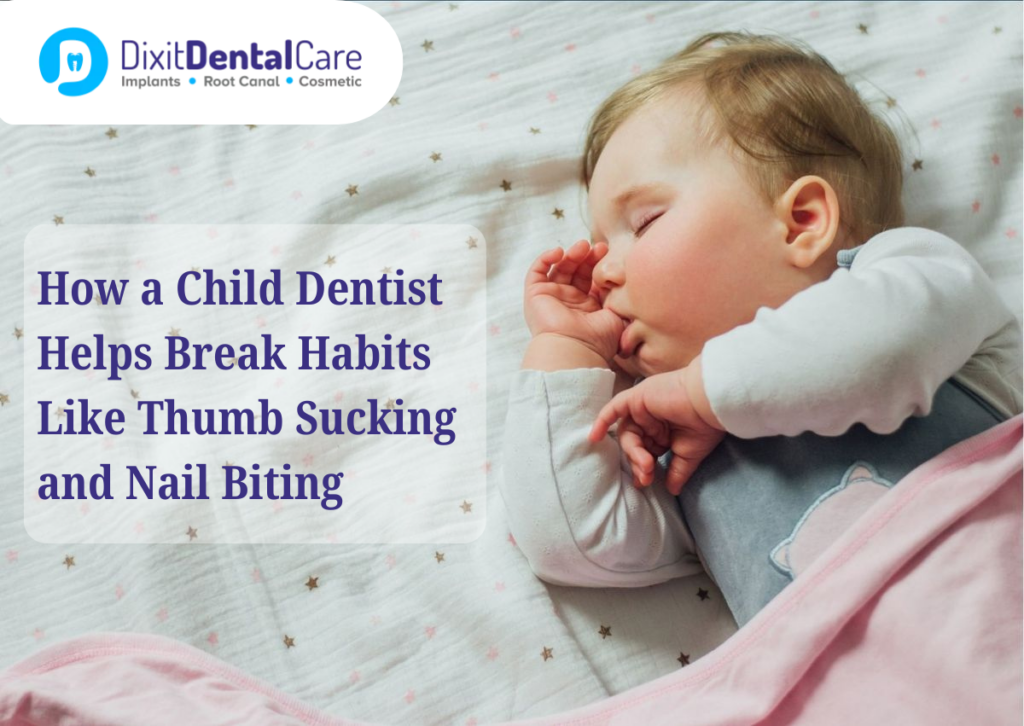
Childhood habits may appear harmless at first, but some repetitive actions can quietly influence the development of teeth, jaw structure, and speech. Parents often notice patterns like thumb sucking or nail biting during early years, especially when a child is tired, anxious, or forming comfort routines. A Child dentist in viman nagar, Pune plays a meaningful role in identifying these behaviors early and guiding parents with effective, gentle strategies rooted in the principles of Paediatric Dentistry.
Why Thumb Sucking and Nail Biting Develop
Many children adopt self-soothing habits during infancy and early childhood. Thumb sucking is a natural comfort behavior that begins early, sometimes even before birth. Nail biting usually develops slightly later and may be linked to stress, boredom, curiosity, or emotional triggers.
These habits are not signs of misbehavior. They are coping tools for children still learning to regulate their emotions. The concern arises only when these behaviors continue for too long or begin affecting oral development.
How Thumb Sucking Affects Oral Growth
If thumb sucking continues beyond the toddler years, it can influence several aspects of oral development. The pressure from the thumb can gradually alter the position of the upper and lower teeth. Over time, this may lead to:
- Changes in dental alignment
Persistent pressure can push upper teeth outward or lower teeth inward. - Shifts in jaw growth
The jaw may adjust its shape to accommodate the thumb, affecting bite patterns. - Speech clarity challenges
Misalignment may interfere with pronunciation of certain sounds. - Narrowing of the palate
A high or narrow palate may develop, which can influence breathing and overall oral function. - Early monitoring helps prevent these long-term concerns. In many cases, early intervention is enough to guide natural correction.
Effects of Nail Biting on Teeth and Oral Health
Nail biting may appear less noticeable than thumb sucking, but it can also affect dental health in meaningful ways. Some common consequences include:
- Chipped or worn teeth
Constant pressure can cause small fractures or wear on the edges of front teeth. - Inflammation around the gums
Nails may carry bacteria that irritate the soft tissues around the teeth. - Increased risk of infections
The mouth becomes exposed to microbes from the hands and nails. - Enamel weakening
Hard contact can gradually reduce the strength of tooth surfaces.Even though nail biting is often linked to anxiety or habit loops, early awareness can help parents take gentle steps to reduce these patterns.
When Parents Should Start Paying Attention
Children often outgrow these habits naturally. However, certain signs indicate that guidance might be helpful:
- The habit continues beyond age four
- Visible changes in tooth position
- Difficulty in speech sounds
- Frequent chipping or wearing of teeth
- Emotional dependence on the habit during stress
- Increased irritation around nails or gums
Early attention makes correction easier and prevents long-term complications.
How Child-Oriented Dental Care Supports Habit Correction
Dentists trained in the field of Paediatric Dentistry understand the behavioral, emotional, and developmental aspects of childhood habits. Their approach includes:
1. Detailed Evaluation
They begin with assessing teeth alignment, jaw development, speech patterns, and the frequency of the habit. This helps understand whether the habit is mild, moderate, or likely to affect oral growth.
2. Gentle Behavioral Guidance
Children respond best to positive, supportive strategies. Dental professionals use child-friendly explanations, visual aids, and calm communication to build awareness without fear or pressure.
3. Tracking Oral Changes Over Time
Regular evaluations help identify whether natural improvement is happening or if additional steps are needed.
4. Parent Education
Parents receive practical advice about triggers, home strategies, and how to encourage children without scolding or forcing.
Tools and Strategies Used for Habit Correction
Habit correction is rarely about strict discipline. It involves using supportive, evidence-based methods:
1. Positive Reinforcement Plans
Reward charts or small milestones help children stay motivated and engaged.
2. Habit Awareness Techniques
By helping children notice when they start the habit, they gradually learn self-control.
3. Stress-Reducing Activities
Relaxation routines—such as breathing techniques, sensory play, or bedtime comfort habits—can reduce the emotional triggers behind these behaviors.
4. Habit Correction Appliances
In cases where habits persist despite behavioral methods, a gentle, removable or fixed appliance may be suggested. These appliances act as reminders, not punishments, helping children stop the habit gradually and safely.
5. Safe Substitute Behaviors
Soft chew tools, calming routines, or hand activities can help redirect the habit.
Every plan is personalized based on age, frequency of the habit, and the child’s comfort level.
Tips Parents Can Use at Home
Parents play a central role in shaping healthy habits. A few small steps can make a significant difference:
- Offer calm comfort during stressful moments
- Appreciate small achievements rather than focusing on failures
- Keep the child’s hands busy during idle moments
- Maintain a consistent bedtime routine to reduce emotional triggers
- Avoid scolding or shaming, as this may increase the habit
- Use bedtime gloves only if the child is comfortable
- Model calm behavior, especially during stressful situations
A patient, encouraging approach always leads to better long-term results.
Conclusion :
Habit correction is not a forceful process; it is a journey of guidance, understanding, and steady support. Habits like thumb sucking and nail biting are deeply linked to emotional comfort, and children respond best to gentle, positive approaches. With the right awareness, early observation, and timely guidance from professionals trained in Paediatric Dentistry, parents can help their children overcome these patterns and protect healthy oral development. A Child dentist in viman nagar, Pune offers informed, child-focused methods that help families navigate these habits with clarity and confidence, ensuring long-term benefits for growing smiles.
FAQ:-
1. What age should parents start worrying about thumb sucking?
Most children stop thumb sucking naturally by age four. If the habit continues beyond this age or starts affecting tooth alignment, it may need gentle guidance.
2. Can nail biting harm a child’s teeth?
Yes. Nail biting can cause small chips in the front teeth, irritate the gums, and introduce bacteria into the mouth. Early awareness helps prevent long-term issues.
3. How do dental professionals help children stop these habits?
They use child-friendly counseling, habit awareness techniques, and tailored guidance based on the principles of Paediatric Dentistry. The focus is always gentle and supportive.
4. Is a habit-breaking appliance painful for children?
No. These appliances are designed as soft reminders, not restrictive devices. Children usually adapt within a few days because the appliance does not cause discomfort.
5. Can thumb sucking or nail biting affect speech?
Yes. Long-term thumb sucking can change tooth and jaw positioning, which may affect the pronunciation of certain sounds. Early attention helps prevent these speech concerns.